Archives for category: Food

Last night we attended the Experimental Food Society Banquet, which had all the makings of a very exciting Monday evening.

The Experimental Food Society is “an organisation to front the UK’s most talented and pioneering culinary creatives, featuring ground-breaking gourmet artists that will challenge your perception of food”. Wow. This promised so much. In fact, the three of us were wondering if it was going to be a little too pretentious or in fact a really wonderful evening.

Sadly it was none of the above. If this is the best of UK culinary creatives then it is a sad day in the food world.

We were greeted with lacklustre staff who seemed more keen to get the evening over and done with than embracing the glory of the event and whilst the cute menu held lots of promise (even if I am clearly getting too old to read 8 point size font in evening lighting), the execution failed miserably.
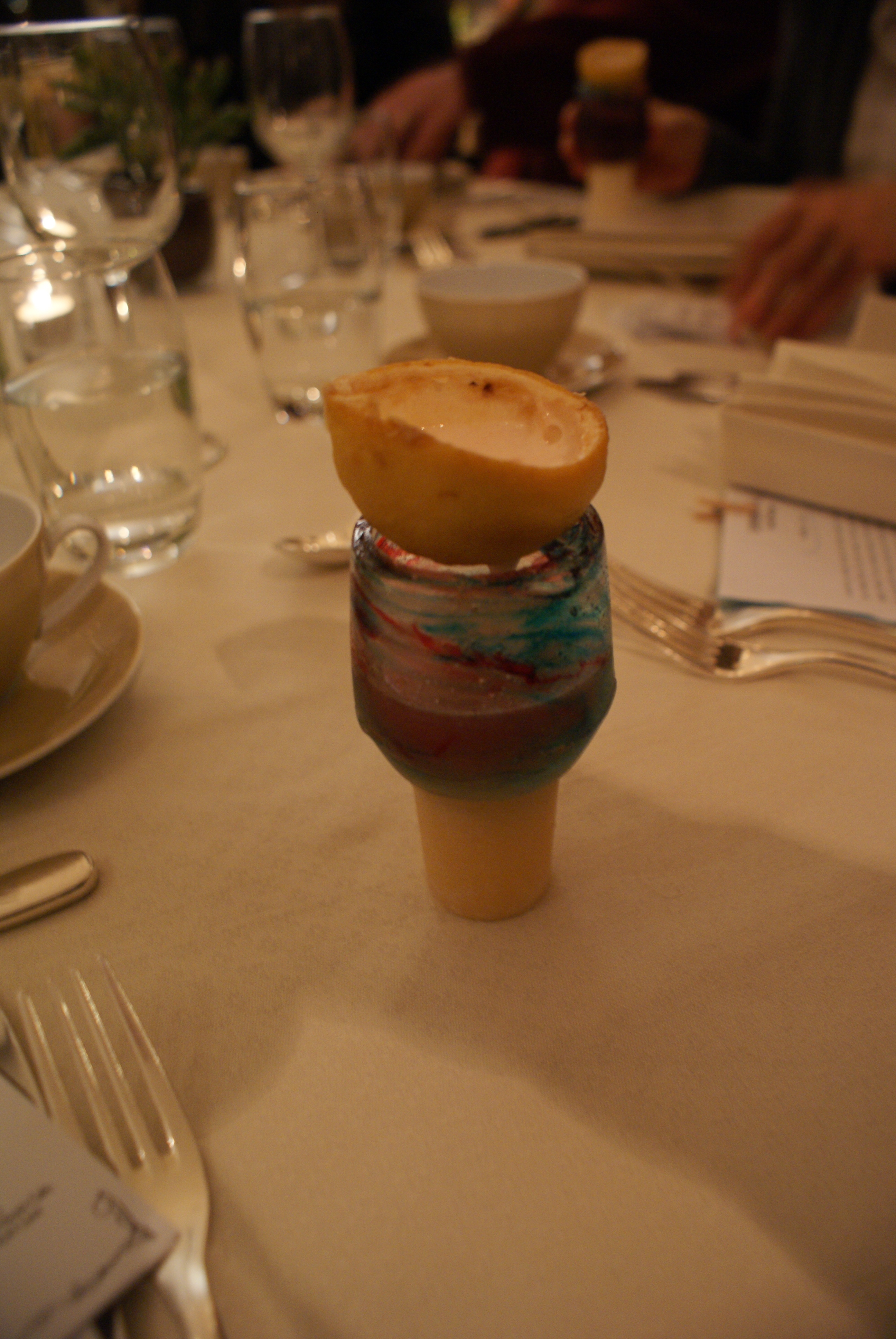
“Fit for a Queen (or King)” served in Union Jack Sugar Glasses by Fernando Laposse

The event started with a nice cocktail served in a sugar candy glass that was very cute. I think we were all glad of the opportunity to eat our glass as sustenance, since service didn’t progress any better than we first thought. Still, Fernando Laposse is clearly a clever boy and I personally really liked his handywork.

The amuse bouche was a classic Sunday Roast pig cheek dish with lovely pickled cauliflower but needed a magnifying glass to find it and we were left wondering what was experimental. In fact, we were left with that thought through most of the meal. I won’t bore you with each dish, disappoint you with a teeny weeny bowl of salad or fail to surprise with a somewhat basic main course of Lamb Masala. I could, however, scare you with thoughts of pongy chamomile perfume that was supposed to enhance an apple sorbet or the very scary green apple flavoured breathable caffeine with B vitamins that you snorted like an inhaler. All lacked a reason for being and frankly were experiments that should be banished forever.
Ice cream sculptured dish
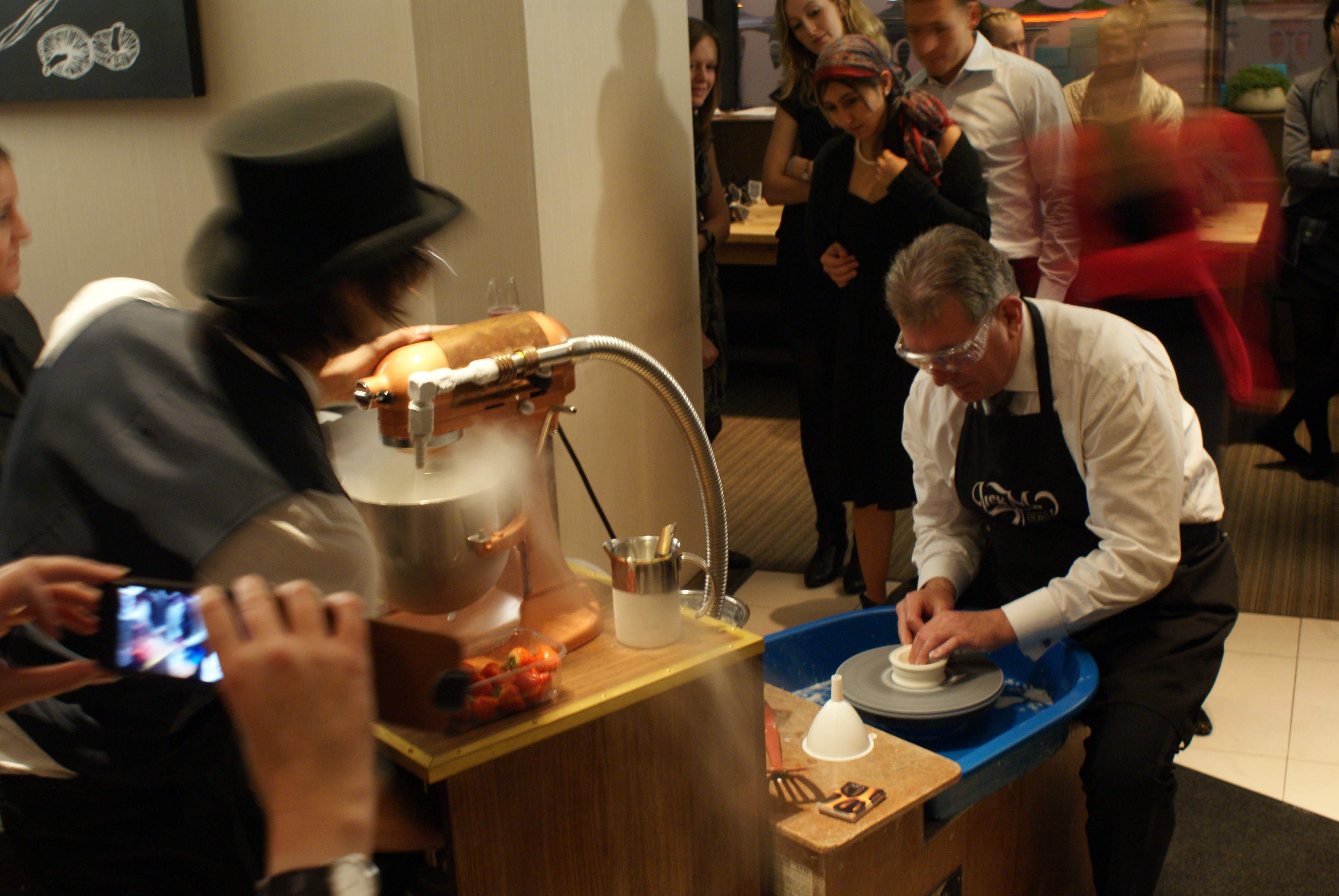
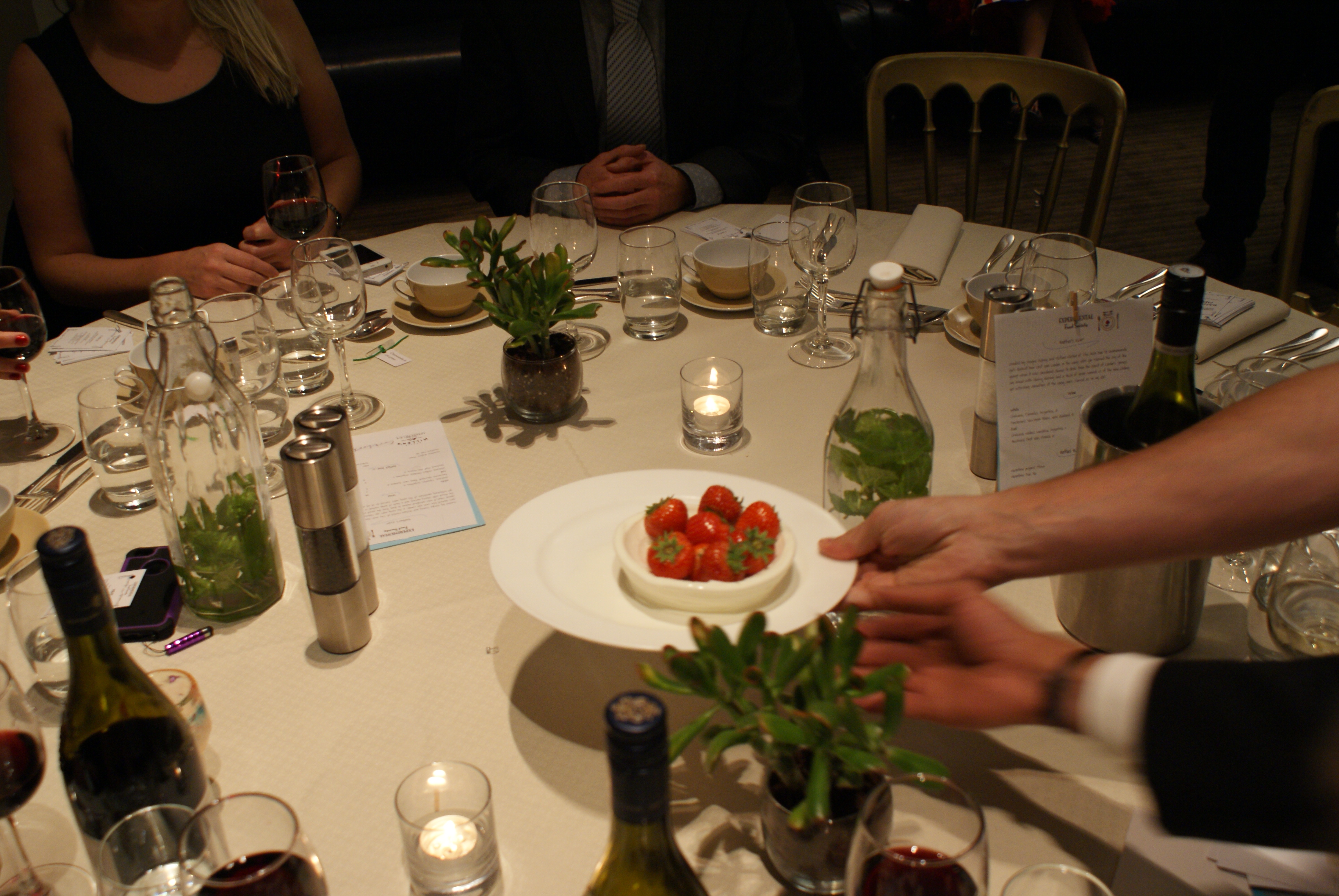
However, special mention should go to a few people. Firstly, Mad Cap Charlie, from Lick Me I’m Delicious, who was at the Granary Square Ice Cream festival I wrote about in September. His liquid nitrogen ice cream was sculpted into ice cream pottery on a potters wheel by his accomplice. This ice cream plate held fresh strawberries and served the whole table, so you get a feel for the lack of serving, but this didn’t take away from the fact that it was clever stuff. I feel I need to add here all the cautionary tales that should accompany liquid nitrogen. The charming liver and pancreas physician who sat next to me was very clear about this frighteningly dangerous chemical. It has been recently featured in the press after a hugely sad case of a teenager who nearly died and lost her stomach by ingesting a cocktail that contained liquid nitrogen. I think this fashion is somewhat scary and will definitely give it the respect it deserves.

Other special mention goes to the entertainers. I am not sure if they are the “ground breaking gourmet artists” referred to in the intro, but they stole the show. The balloon lady had an enthusiasm and skill with balloons that really isn’t normal.

Balloon creations from Miss Ballooniverse

And last but not least is my personal highlight for the evening: The Roving Artist. Whilst this man didn’t really have anything to do with food, he was acutely talented with a pair of nail scissors and some paper. The resultant portraits were genius and should grace any party. My nose is a little big and the hair cut either looks like Elvis, or a lioness, but either way, this man was wonderful.

Sadly, I will not be attending another Experimental Food Society Spectacular. The accompanying exhibition was cancelled this year anyway. Perhaps there were not enough people interested in the idea and that is sad to me. But these guys need a stronger and more passionate frontman to really drive the group forward. Until then, it remains a fascinating conglomerate of interesting and slightly barking mad people who should really be pushing the food world forward but if this banquet was anything to go by, then there is more to be done to showcase the talent. Shame.

Peruvian food is being hailed as the next big thing in the food world. Movers and shakers in the industry are racing over to Lima to meet chef Gaston Acurio, taste the local dishes and learn about authentic ingredients. Then there are new Peruvian restaurants popping up all over the culinary capitals like New York, London, Cape Town and beyond.

Having recently returned from my trip there, I guess I was in the perfect place to comment. But frankly I could not rave about the food that we ate whilst we were there. Admittedly, we were on the road hiking the Inca trail and burying ourselves deep in the Amazon rainforest so I didn’t expect much more, but now that I am back, I wanted to understand just what everyone is getting excited about.

I guess it is thanks to their geography and heritage that Peru has such great food credentials. This incredible country incorporates the sea, the jungle/rainforest and those impressive, beautiful Andes mountains. Combined with that, it was home to some major food cultures over the years, with the indigenous Incas, The Spanish colonists and the Japanese settlers all bringing their influence and farming methods to the country. It’s no wonder it is a unique place for food.

Ceviche and Pisco cocktails seem to be the key components that have translated to the London restaurant scene with the opening of both Lima and Ceviche featuring this fishy favourite washed down with a Pisco Sour for good luck.

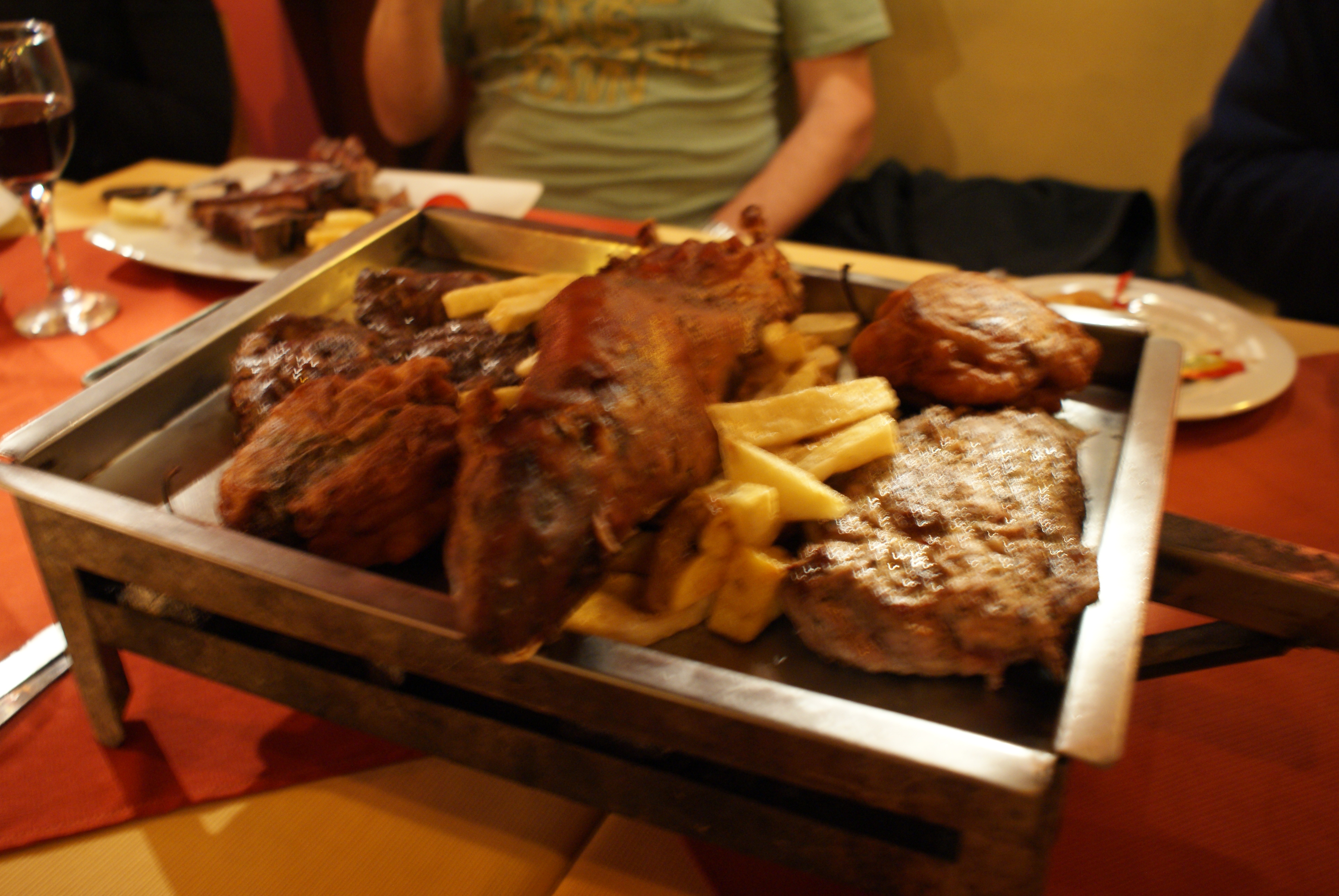
Roasted Guinea Pig

Anyone researching Peruvian food will come across the tradition of eating Guinea Pig and it was indeed readily available, particularly inland in places such as Cusco. The truth is that it is a bit gamey but more importantly not exactly meaty. I could only conclude it was there to shock/delight (delete as applicable) the tourists rather than for its culinary prowess.

We were all much more impressed with the alpaca which was organically farmed and a really wonderful meat to eat. This is not some chicken-reincarnated quirk, but a wonderful, lean white meat that is more in the veal category and was enjoyed by almost everyone one in our group. Very light, moist and tasty.

The biggest revelation for the people I travelled with was Quinoa (pronounced “Keen-wa”).

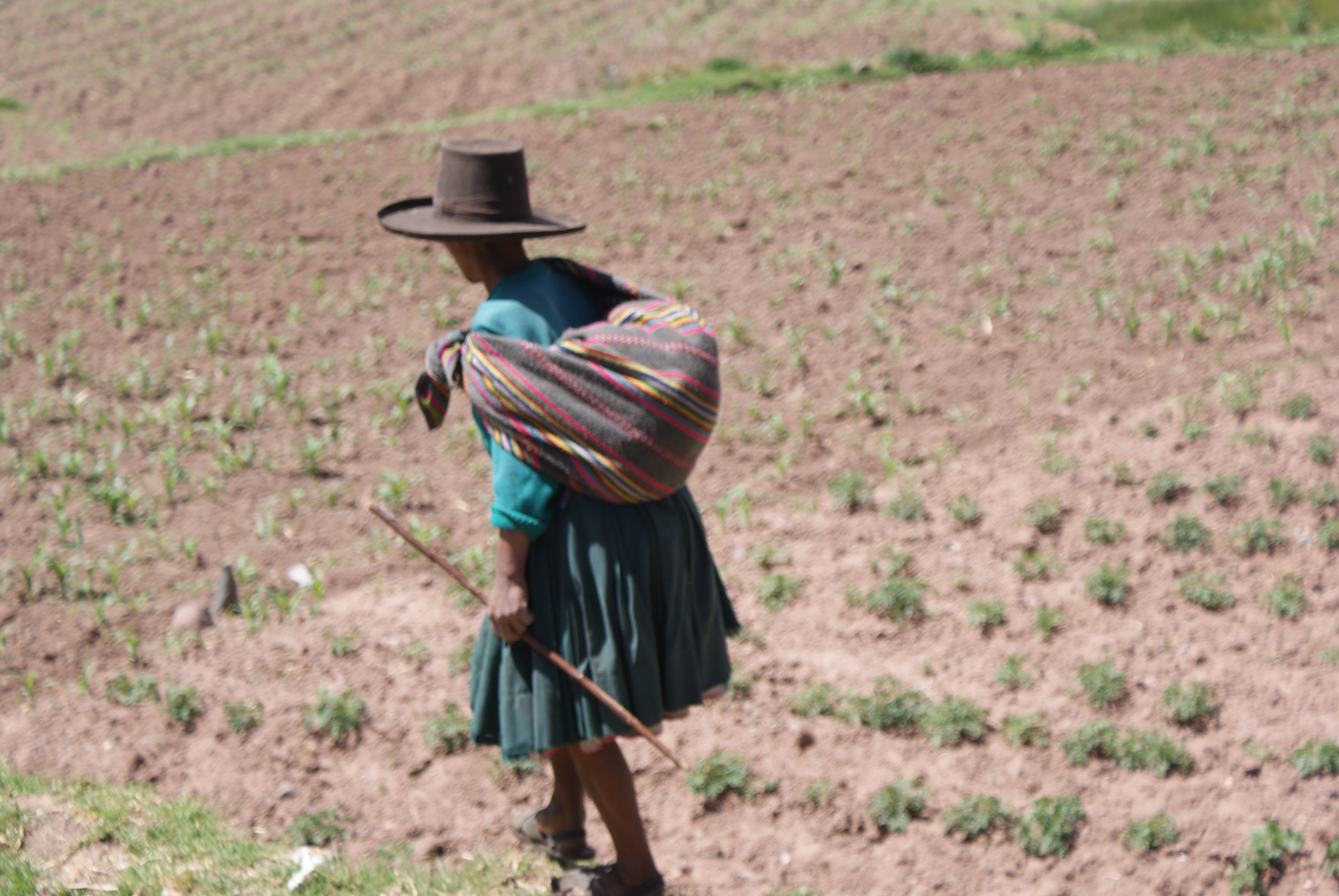
This has been a trendy ingredient for some time now, especially since it is a gluten free and cholesterol free wholegrain, so a good carb alternative for coeliacs and all those dieters who think it’s a good idea to avoid carbs completely. This grain is a great substitute for rice or barley and whilst it is on all the trendy healthy salad menus these days, it was in fact a staple for the Incas way back in the 1400’s. It was known as The Mother Grain to them and much cultivated at the high altitudes of the Andes. Last year, Peru banked $23m from exporting this little grain so they must love the fact that it has caught on.

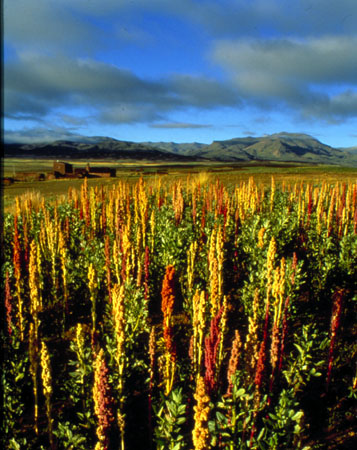
Quinoa is in fact a protein rich chenopod, if you know what that is, or distant relation to spinach to you and me. The part that we eat is in fact the seed of the plant. It is a complete protein, containing all of the eight amino acids and has been recognised by the UN as a supercrop for its health benefits, packed with dietary fibre, iron, phosphorus and magnesium.

But more to the point, it is easy to cook and pretty tasty with a nice nutty flavour. We all enjoyed the local Quinoa soup and Quinotto which is risotto made with quinoa rather than rice. The soup in particular was new to me and one that I will recreate in my kitchen. I saw it made in the house we stayed at in Juliaca, on Lake Titicaca. They ate it for breakfast and served it to us for dinner. Very yummy and quite a revelation watching it made with water from the well on their wood fired stove.

The kitchen chez Joaquin Calsin, Juliaca, Peru

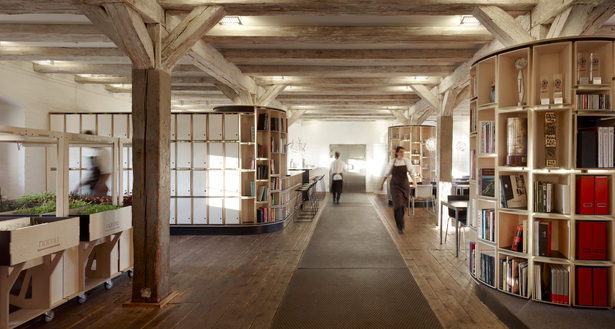
Noma Test Kitchen

I was going through some latest news and watched the following videos from Noma’s test kitchen with a wry, and dare I say it somewhat cynical, smile on my face. What is this all about?

Have a look and tell me. Is this genius? or is food becoming so pretentious and insular that we industry players are losing the reality? If it takes so long to play with an ingredient then can it really be worth it? Is any taste worth that? or are these boys now playing with our food so much that they have lost the very fact that there are perfectly wonderful tasty ingredients doing what nature intended without a push from them? Surely that’s enough.

I think that great food is about simplicity and that’s it. End of.

More on Peru later….


I have just returned from a two week trip to Peru taking in the varied sights of the Amazon rainforest, the Inca trail and finally the world’s highest Lake Titicaca. Our trip was not a culinary one, but I couldn’t help think about the fact that Peruvian food is capturing the imagination of most switched on foodies these days.

Last year, the key chefs of the world travelled to Lima to partake in the Mistura Festival which is Peru’s annual 10 day celebration of local food. It boasts street food, farmers, restaurants and a variety of focused corners showcasing the country’s chocolate, bread, coffee and of course the signature alcohol: Pisco. This September festival in Lima drew in 600,000 people this year so it is an impressive showcase. There has to be something to see when you consider the fact that Ferran Adria, Dan Barber, Heston Blumenthal, Michel Bras and Rene Redzepi all went to see what was on offer. It’s quite an impressive list of attendees. So how did Peruvian food come to be so important? Well you can pretty much put that down to one man: Gaston Acurio.

Gaston Acurio

Gaston and his wife Astrid have 28 restaurants around the world including the eponymous Astrid y Gaston in Lima which entered the World’s 50 best restaurant list at number 42 this year. He may be called the Jamie Oliver of Peru but frankly I think that under sells the influence of this man. He clearly leads the way in his country and has not taken that responsibility lightly. He is the father of the Mistura and as such has earned his place as a Peruvian national hero extolling the virtues of his very own Peruvian cuisine.

“If you’re fortunate enough to occupy a position where people listen to you, you need to use your voice wisely. One man can be strong, but if he uses his power to help his people, amazing things can happen. In Peru there is no ME. There is only WE” he says.

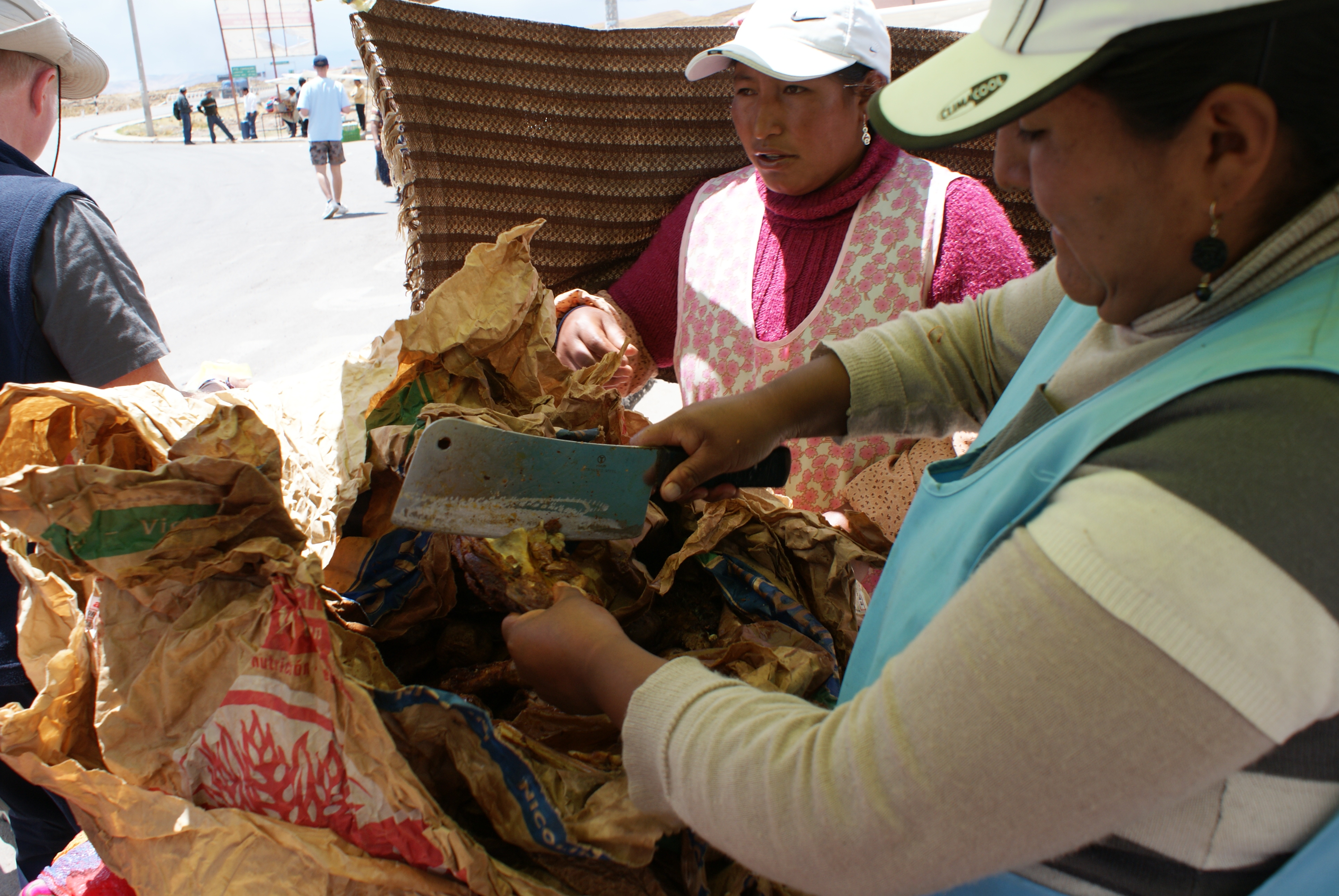
If you think this sounds a little unlikely, then think about the street food vendors we visited on our way up to Lake Titicaca. Who could have predicted that this unassuming Peruvian blanket covered a local lamb delicacy? even though it was served in a yellow plastic bag!

Underneath the blanket lay sheets of brown paper and inside there, slow cooked, seasoned, flavoured lamb that was crispy at the edges and soft and juicy inside. There was nothing glamorous about this. It was hacked apart with a cleaver and ripped with her hands so even the hardiest of street food veterans may have wondered what it was all about, but when you tasted it….well, let’s just say you had to be there.

Mr. Acurio was told about these ladies and their wonderful lamb some years ago. Our tour guide told me that Gaston made his way up to find them simply to try out the lamb and bring them back to attend the Mistura that year. Apparently, as a result of attending the festival, they now own a really successful restaurant in Lima serving the very same lamb. I recommend it wholeheartedly.

Design a site like this with WordPress.com
Get started