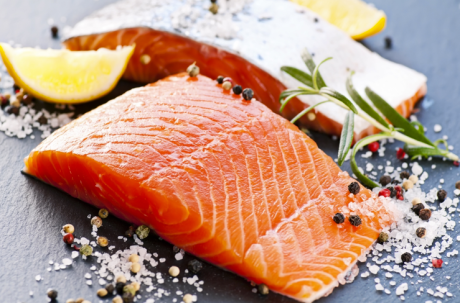
Salmon

Not a day goes by without a story about what we should or shouldn’t eat and everyone has an opinion about it. I was thinking about the benefits of salmon and avocado yesterday simply because a friend of mine who really eats to live was extolling the virtues and it reminded me that my Mum also swears by these two good-fat-foods. And honestly, whatever my Mum says has to go because anyone who knows her will testify that she genuinely does defy her decades. She looks fab!

I am no nutritionist but I do see what is happening in the food world and there is no doubt that certain foods are gaining in momentum because of their perceived if not actually proven values. And you know when both Jamie Oliver and, shock, horror, Nigella Lawson are going down the healthy route that things must be in the mainstream.

Jamie has not only initiated the fight against sugar, which I have written about before on this blog, but he has also integrated nutritional top tips into his cooking … as well as researching the healthiest places in the world and looking at what they eat. His recent book and series: Everyday Super Food is a lesson in how to make small changes without compromising on the taste and enjoyment of eating. He throws in lots of facts as to why you need to put a squeeze of lemon in your spinach or how a handful of nuts a day can reduce your risk of heart disease by 50% and increase your life expectancy by two years! But the bottom line is that he is making balanced simple food from the best that our earth has to offer. Less meat, more veg, less fat, more fibre, less sugar, more whole fruit. He also puts his own recent weight loss down to more sleep and using more seaweed in his cooking! For his top ten tips, read on here

Nigella is not as overt about the choices she is making but does refer to catering to friends who are gluten free, or just having a feel good meal. Her Simply Nigella: feel good food is not as specific as Jamie but it is absolutely nodding to the different choices that she is clearly making in her eating and ones which strike a cord with increasingly more people who want to choose healthier options without compromising on eating quality.

My ginger, sour cherry and seeded bar

My ginger, sour cherry and seeded bar

We are finding much the same at work. In years gone by, I remember that anything with blueberries at Marks and Spencer was a top seller. It almost didn’t matter what it was: a blueberry yogurt or a blueberry muffin. It was about this superfood and as I left, we were exploring findings from the West coast of the USA where they are ahead of the health curve and talking about weird ingredients like goji berries which at the time were cited as Madonna’s source of eternal youth! Of course now they are pretty normal and we have moved on to other discoveries such as kale, chia seeds and spirulina. The team at work are doing lots with natural sources of sweetness, different seeds and berries, leaves and veggies but everything in the name of good food and it is going down a storm. Today I made my version of their Goodness Bar to have something better for me as a snacking option and it really worked out well.

Mind you, what I find interesting in all of this is the history of it all. The Aztecs seemed to have a lot sussed as early as the 14th century and the South Americans generally have great sources from the rainforest and their land. It is sad to know that our recent fad for quinoa is ruining the lives of the people of Peru as we hoard their core staple in the name of health, driving up the price and making it out of reach for those who have been quietly living on it for centuries.

And as a nice Jewish girl, I hark back to my roots every time I am going down with the sniffles, turning to good old fashioned chicken soup as my remedy. Made to our family recipe it is my go to medicine and it seems that it is now proven to have carnosine which helps the body’s immune system. You can read more about the Science of Chicken Soup here in this New York Times article.

So whilst I am no picture of virtue I am doing pretty well for my own years and maintaining a healthy outlook. That said, I don’t smoke and I don’t drink that much, I need to exercise more and drink more water but I do keep my food healthy and sleep pretty well. My doc seems to think that’s all good in my neck of the woods and that’s all that matters to me.

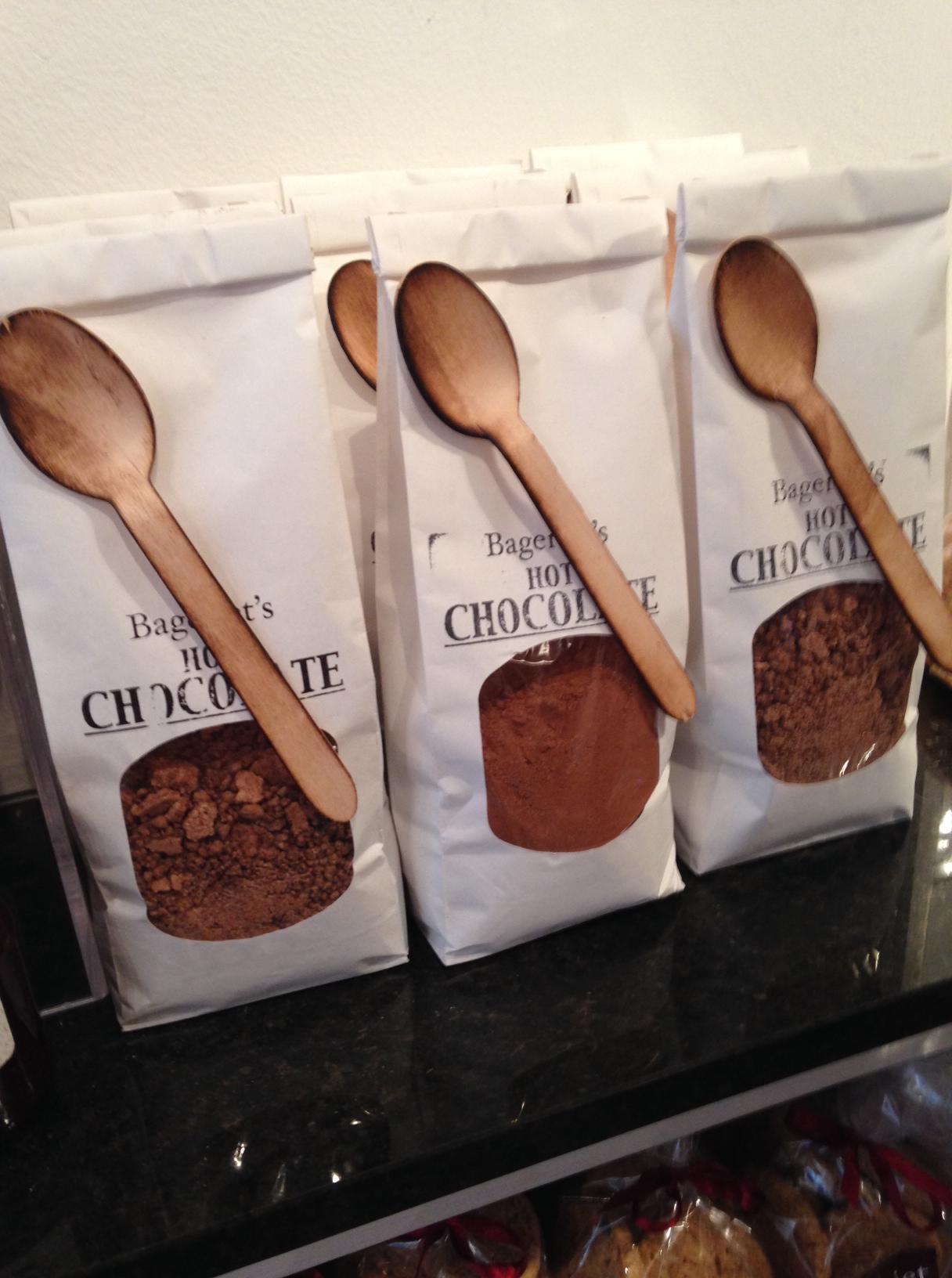
photo 4

This weekend I finally found myself visiting Bageriet, a small Swedish bakery on Rose Street, Covent Garden which is run by a pastry chef that I previously worked with and a place that has been on my list for over two years now!

Daniel Karlsson was born in Sweden and won many accolades during his training and early years before coming to London and starting his career with the team at Ottolenghi. After some time there he joined my current employer, Melrose and Morgan and really expanded their range with his skill and expertise. Daniel is that rare thing in the food world…. a beautiful, calm, talented and industrious pastry chef. Now you would think this is not such a rare thing but believe me, as someone who is trying to find just such a person to be in that role at the moment. The lesser spotted pastry chef who wants to work the crazy hours, retain that sense of calm and beauty as well as creativity is hard to come by.

photo 2

I remember my early years at Melrose and Morgan, turning up one Sunday to get ahead with a Christmas project thinking that there was no one around to disturb me. I arrived to the sounds of classical music soaring through the air and was immediately offered breakfast from Daniel: a bowl of hot porridge and caramelised apples with the perfect balance of spices to bring out the flavour and sweetness. I left him to his Christmas baking and some 7 hours later, he quietly ascended the stairs to the office armed with a small tray bearing a simple slice of salted caramel chocolate tart because Daniel knew that this was a favourite flavour of mine, so he knocked it up after he had finished the Christmas cakes and brought it up with a cup of tea. What more need I say?

When he left to do his own thing, I wanted to help as much as possible just because people like him should be nurtured. I supported him in getting his stunning giant gingerbread houses into the department stores managing to use my contacts to get him in front of Harrods with no agenda other than to support this fabulous chef but sadly the management there couldn’t see beyond the meeting to understand just how valuable Daniel was and his seasonal creations did not make it to their shop floor. It was a big mistake in my opinion as they would have sold loads…. and differentiated their offer from all the other department stores in London. But it was not to be…more, I fear, because of my presence than Daniel himself.

Background pics from Bageriet website

Background pics from Bageriet website

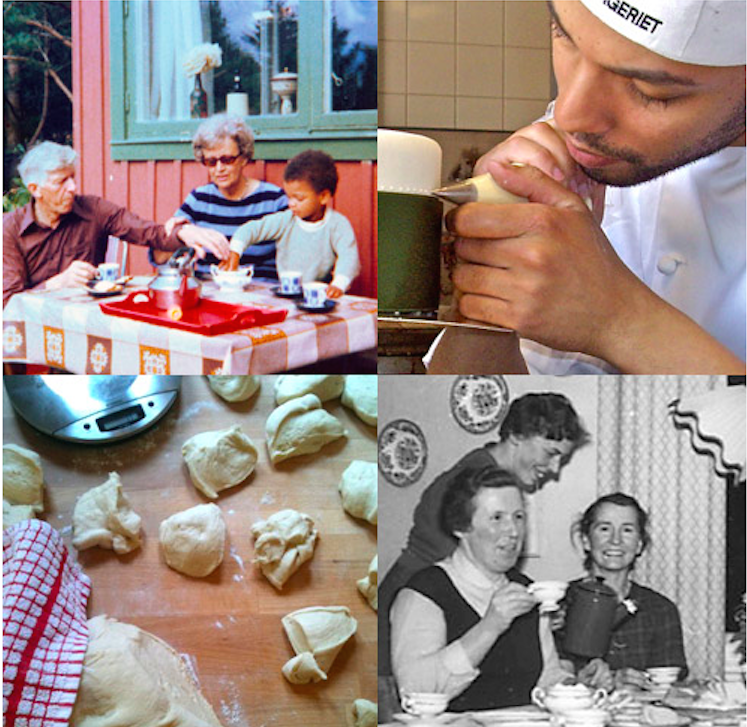
Daniel subsequently asked me to write some copy for his website which I gladly did. I asked him where it all started and he said it was with his Grandma back in Sweden, and all those memories of being a child in the kitchen, as these pictures from his website show.

I was reminded of this conversation whilst I watched Chef’s Table – a Netflix series that L&B recommended and worth looking up if you are interested in chefs and their inspiration. The series covers 6 chefs and their story. Each is different but there is no doubt that their drive and passion for food generally comes from their upbringing and either their mother’s or grandmother’s influence (no pressure all you parents out there!). Massimo Bottura remembers running away from his siblings and hiding under the kitchen table where Nonna was making pasta, giving him a unique perspective above his head of that process which must have driven him to look at food from a different angle and create what is now the best food in the world (his restaurant is currently number 2 in the San Pelligrino world’s top restaurant list). Ben Shewry was inspired by both parents who lived off the land killing their own meat and growing their own produce. Niki Nakayama was compelled to prove herself to her Mum as an equally deserving child in a more traditional world where the son is seen as the rightful heir to the family business of food and parental backing.

SONY DSC

Dan Barber’s mother died when he was four so it was his father’s interest in good food that rubbed off on him, but it was his Grandmother’s farm that really stuck and now that farm is not only the name of his multi award winning restaurant but the farm itself also supplies and inspires his whole food ethos. It was these latter two in the series that we particularly enjoyed.

SONY DSC

I was lucky enough to enjoy a meal at Blue Hill at Stone Barns with the aforementioned L&B some years ago and it didn’t disappoint. In fact for me, Dan Barber is challenging all the right issues and was before his time in understanding the source to plate story. His team are there with him too – from the concierge who took us round the farm to the waiting staff who talked us through the meal, it was an all round experience that I would recommend.

photo 2

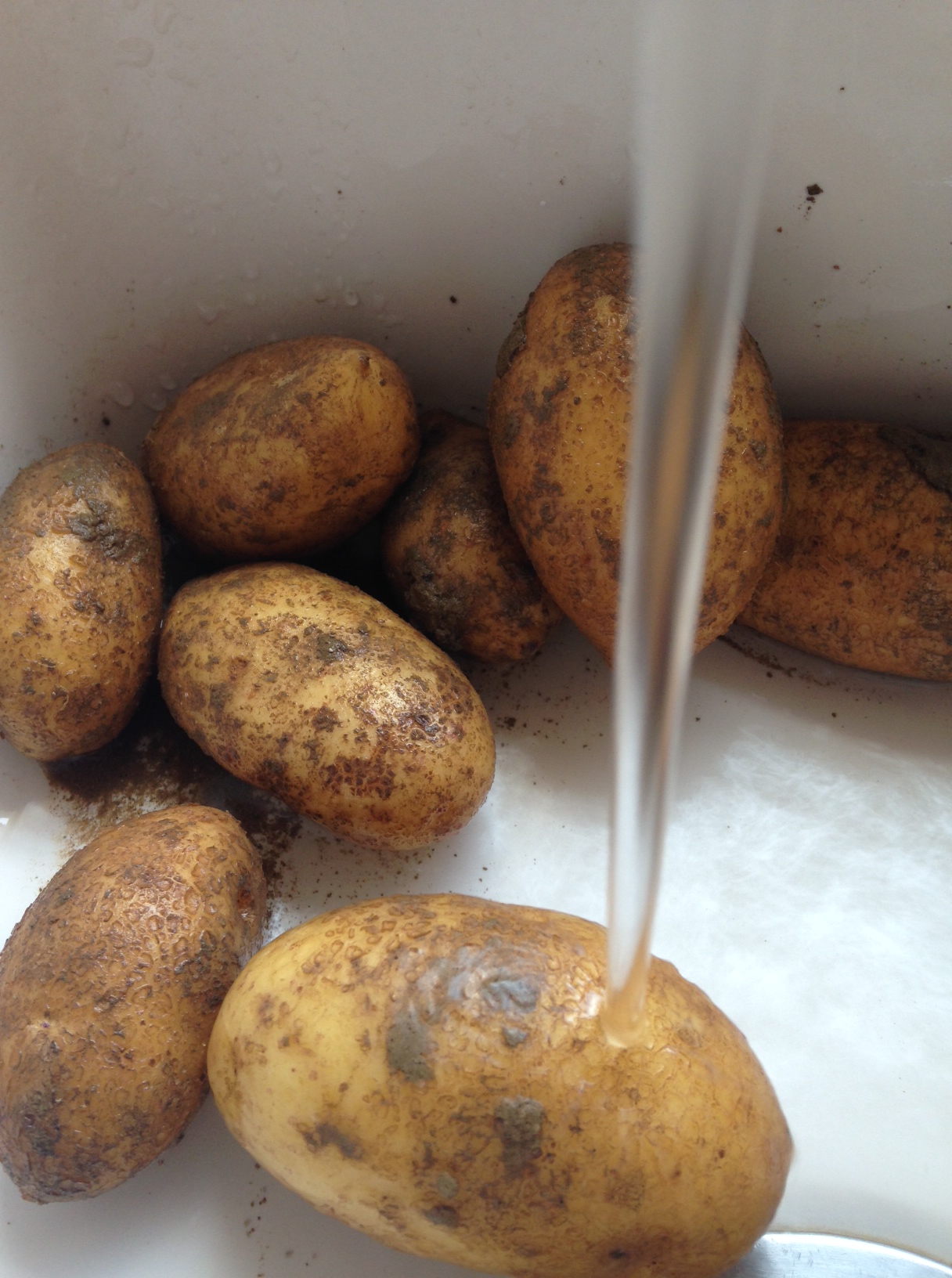
When did you last wash the mud off a potato?

This question struck me today after a trip to the London Farmer’s Market in Marylebone where I went to buy the ingredients for a supper for my nephews and niece and was enticed by the man at The Potato Shop. It seems to me that we have all lost something by buying things from the supermarket and some of that is the connection with the source of our food. Too many children these days don’t even know where their food comes from or how it grows and that makes me sad. Especially when you meet someone like the man from the potato shop stall because he was just so knowledgable about his subject and so passionate about the product. I asked him what would go with my roast duck recipe and instead of just going with the Ratte I suggested, he talked through the benefits of each variety and I plumped for his recommendation of the Mayan Gold.

The Potato Shop stall at Marylebone Farmer's Market

The Potato Shop stall at Marylebone Farmer’s Market

I also managed to get one of my favourite products from the Marylebone Farmer’s Market: a whole Aylesbury duck from Richard Waller. I can’t remember when I heard about this farm and these ducks but I have been making the journey to the market especially for these birds for some years now. They taste fabulous and make a really easy meal when used as the central ingredient for the following recipe from the very clever Sam and Sam Clark Moro cookbook. Now I know I don’t often publish recipes here but since this meal went down so well, I couldn’t resist. My enthusiastic guests almost licked the plate and it was a lovely way to celebrate the night before my oldest nephew went off to university.

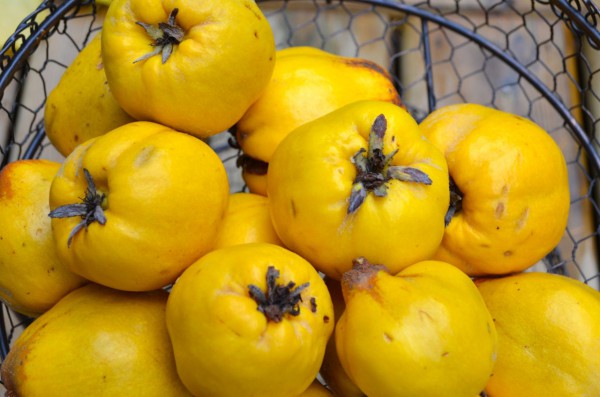
Right now quince is also super seasonal and worth buying if simply for their wonderful scent alone. Mind you, membrillo is commonly found in many delis so it can be made all year round. I used the duck fat to roast the potatoes in with an hour to go having been told very explicitly by Mr Potato Man that I must not pre-boil, rather roast for an hour from raw. Served with cavalo nero just vichy’d with garlic and finished with a dessert of home-made lemon polenta cake and creme fraiche, it was a fun meal for us all and hopefully a good last supper for E.L.G.

Pato Asado con Membrillo (Roast Duck with Membrillo)

Ingredients:

1 duck, about 2.25 – 2.75 kg with its giblets

Stock:

1 onion, 1 carrot, 2 bay leaves (preferably fresh), 2 cloves, a few black peppercorns

Membrillo Sauce:

200ml medium Oloroso Sherry, 200ml duck stock, 120g membrillo

Dry the skin of the duck thoroughly with kitchen paper, inside and out, and prick all over with a fork to help release the fat during cooking. Cut off the wing tips for the stock. If possible, leave in a cool, dry place for a few hours to dry further or uncovered in the fridge overnight.

Preheat the oven to 230ºC/450ºF

Rub the duck with a dessertspoon of fine sea salt and lay on a rack in a roasting tray, breast side down. Roast at a high temperature for 15 minutes, then turn over and roast for a further 15 minutes or until the skin is a light mahogany colour and beginning to crisp. Turn the oven down to 180ºC/350ºF and cook for a further 1.5 hours.

Meanwhile make a stock from the giblets and wing tips of the duck, the stock ingredients and enough water to cover by 2cm. Strain and skim off any fat and reduce the stock for half and hour to 200ml.

When the duck is cooked, remove to a board and leave to rest, loosely covered with foil. Pour off 95% of the duck fat from the roasting tray (n.b. which I kept for cooking other things later on) and pour any juice from the cavity of the duck into the tray. Put the roasting tray over a low to medium hear and add the sherry. Simmer for a few minutes to burn off the alcohol, (stirring in all the roast ducky bits on the corners of the pan) then add the duck stock and membrillo. Melt the membrillo and reduce for another few minutes. Season.

Quarter the duck and serve with the warm sauce.

quince-real-natural-remedy-600x397


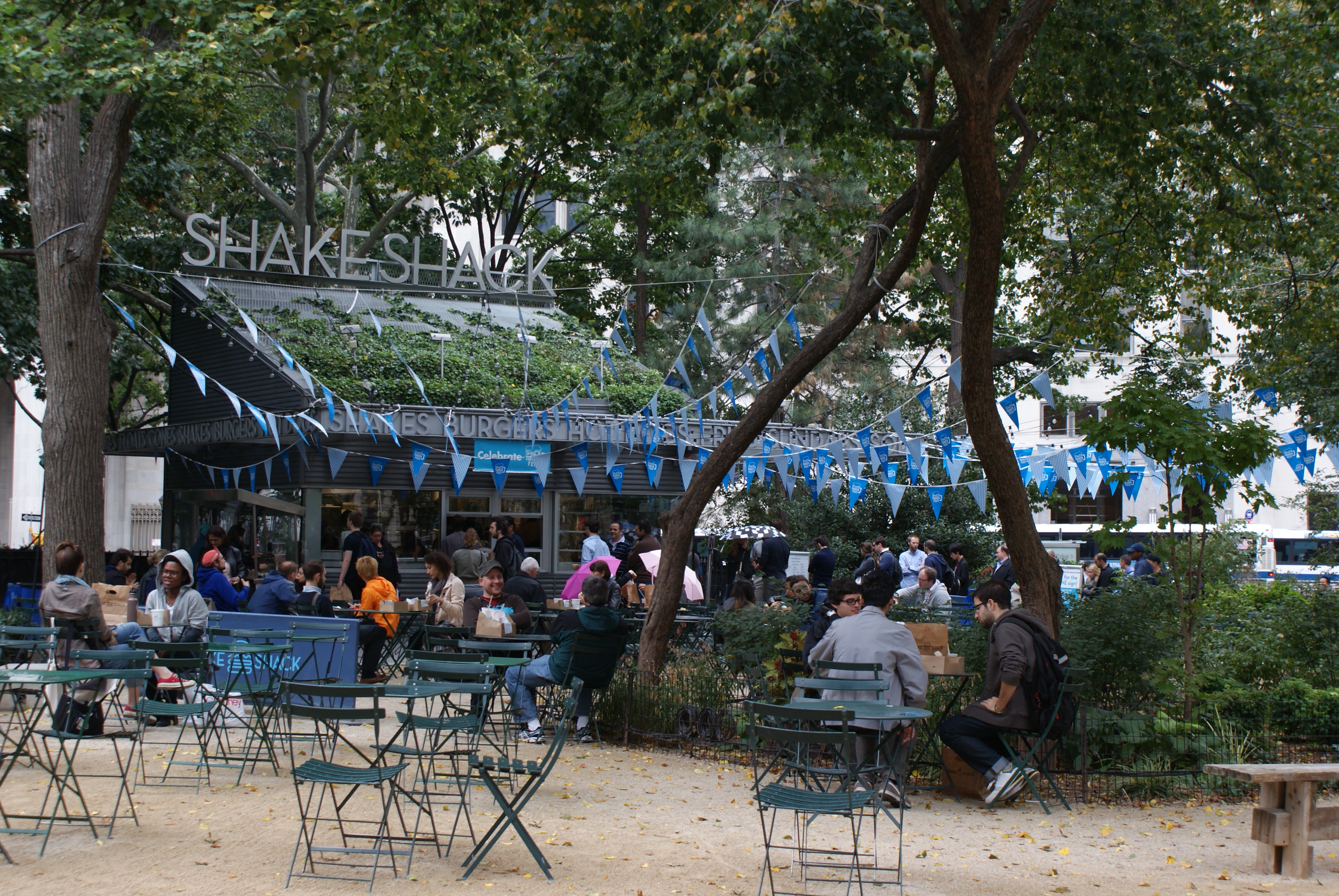
I left you as we departed last week’s wedding in Queens for Manhattan with the younger party goers still in full swing. But the following morning the energy was more subdued with some very sore heads. And the solution? (indeed what is the solution to most things these days?) well Shake Shack of course. This burger phenomenon has spread over the pond now and was one of the most popular stands at Taste of London this year, believe it or not, and back in New York the queues are still endless.

SONY DSC

We met at the original Madison Square Park site under the trees – a cool outdoor space and 94 burgers later, the friends and family were back on their A game, repleted and waving goodbye to Mr and Mrs K as they departed for their Italian honeymoon. Another clever food ploy from these two and a perfect finale to a wonderful three days.

Mum, Dad, sis and I met that evening for our own get together at Kings County Imperial – a superb Chinese in Williamsburg with their very own soy sauce and their own garden out the back to supplement their organic seasonal produce. It was one of the best Chinese meals I have ever had and was rounded off by us mopping up the remaining cronuts.

Eataly, NYC

Eataly, NYC

I still had a couple of days to explore and having read this Eater article, decided to review the food halls of NYC. The article points to the fashion in Europe for what they call food halls and cite Eataly in NYC as the first of this growing US fashion. Eataly is indeed a place to be visited and the combination of Joe Bastianich and Mario Batali is a marriage in food heaven. The benefit of this is that there is a single overarching style and standard which this duo imposed on the concept moving it on from the originals in Italy. The article also says the new halls are a far cry from the suburban shopping mall food courts but I beg to differ.

I visited all on the Eater New York list and found them to be disappointing experiences. My first foray was to City Kitchen which claims to be a food market with funky signage leading upstairs. There you find good views over 8th Avenue and the queues at Shake Shack opposite but no food market. Rather a strange mix of places with poor seating in the section itself and an overflow going into the adjacent Row hotel which was at least a little more interesting. I really struggled to find anything worth eating and when I decided just to get a drink I was confronted with a New Yorker with attitude that made me feel like I had done something horribly wrong. I am sure that the brands that are there all link back to some great places back in their mother sites but honestly it didn’t connect for me.

photo 3 photo 1

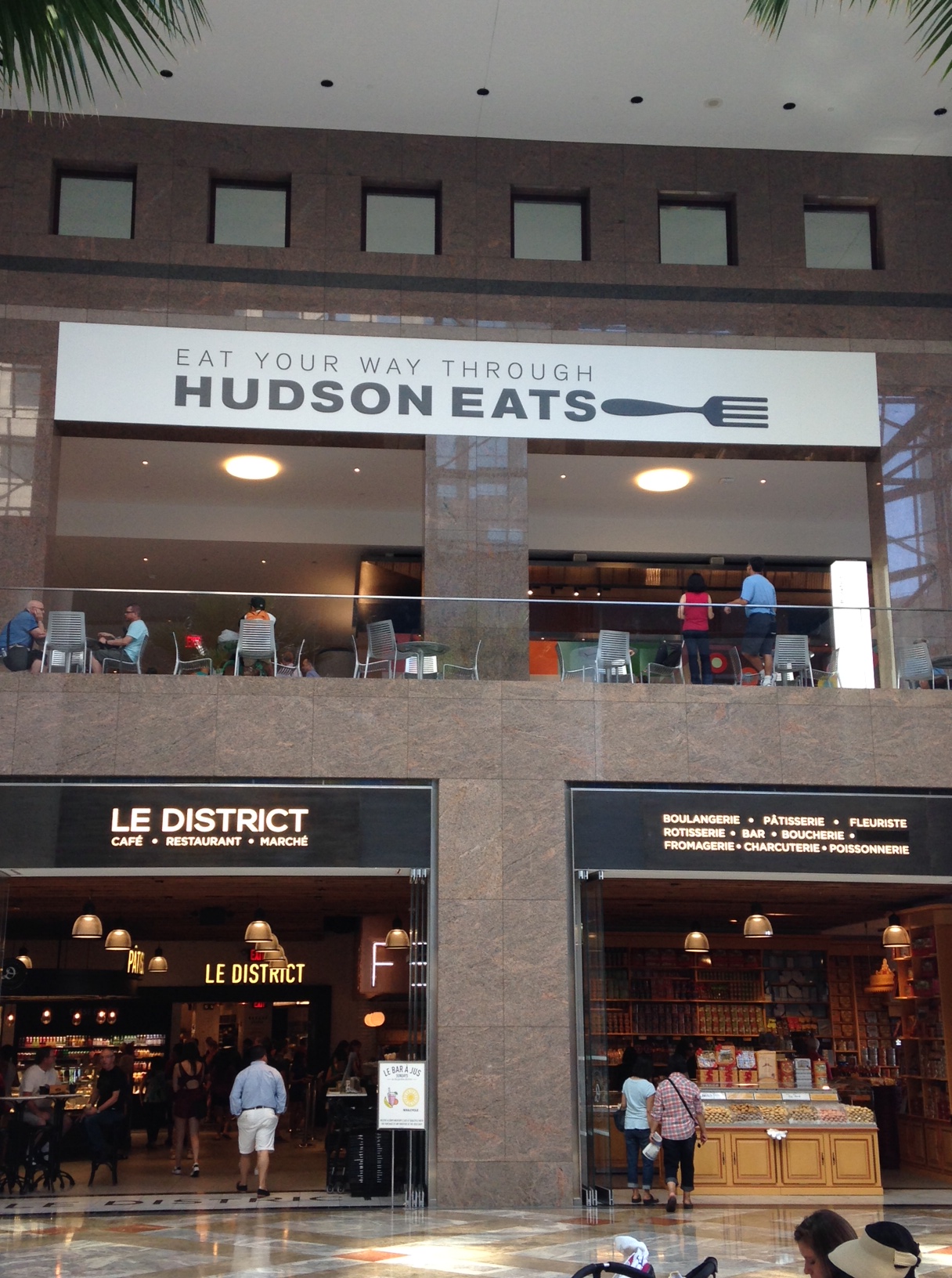
Unperturbed, I progressed to the next on my list which was Gotham West Market and a showcase in how to do the industrial look with quirky comms. I know my timing was a little unfortunate, but again this was too much style over substance for me. I left almost immediately and progressed down towards the World Trade Centre and the shopping centre opposite: home to Le District and Hudson Eats.

photo 2

To be fair, Le District was a well designed homage to French cuisine and when you are such a long way away from Europe I am sure that it ticks a lot of boxes.

photo 1

The zones inside worked much in the same way as Eataly in Turin and the overall atmosphere was much more enticing and the product range at least made sense in terms of the concept.

A bit further upstairs in the upmarket and yet unfinished Brookfield Place shopping centre is a better but similar version of City Kitchen: a mix of trendy brands each with their own cubicle to serve an edited menu of their dishes. The trouble for me was that it wasn’t as grunge or as a pop up or as slick as the actual restaurant itself, instead a strange combination of the worst of each place. Yes there were bagels and salad bars, ribs and Mexican but sitting together with formulaic seating and lots of trays carrying food that was rapidly going cold, I really couldn’t be inspired to eat anything at all. The best option would be to take away a Sprinkles cupcake which reminded me of a great experience many years ago in LA but I just wasn’t in the mood.

photo 2

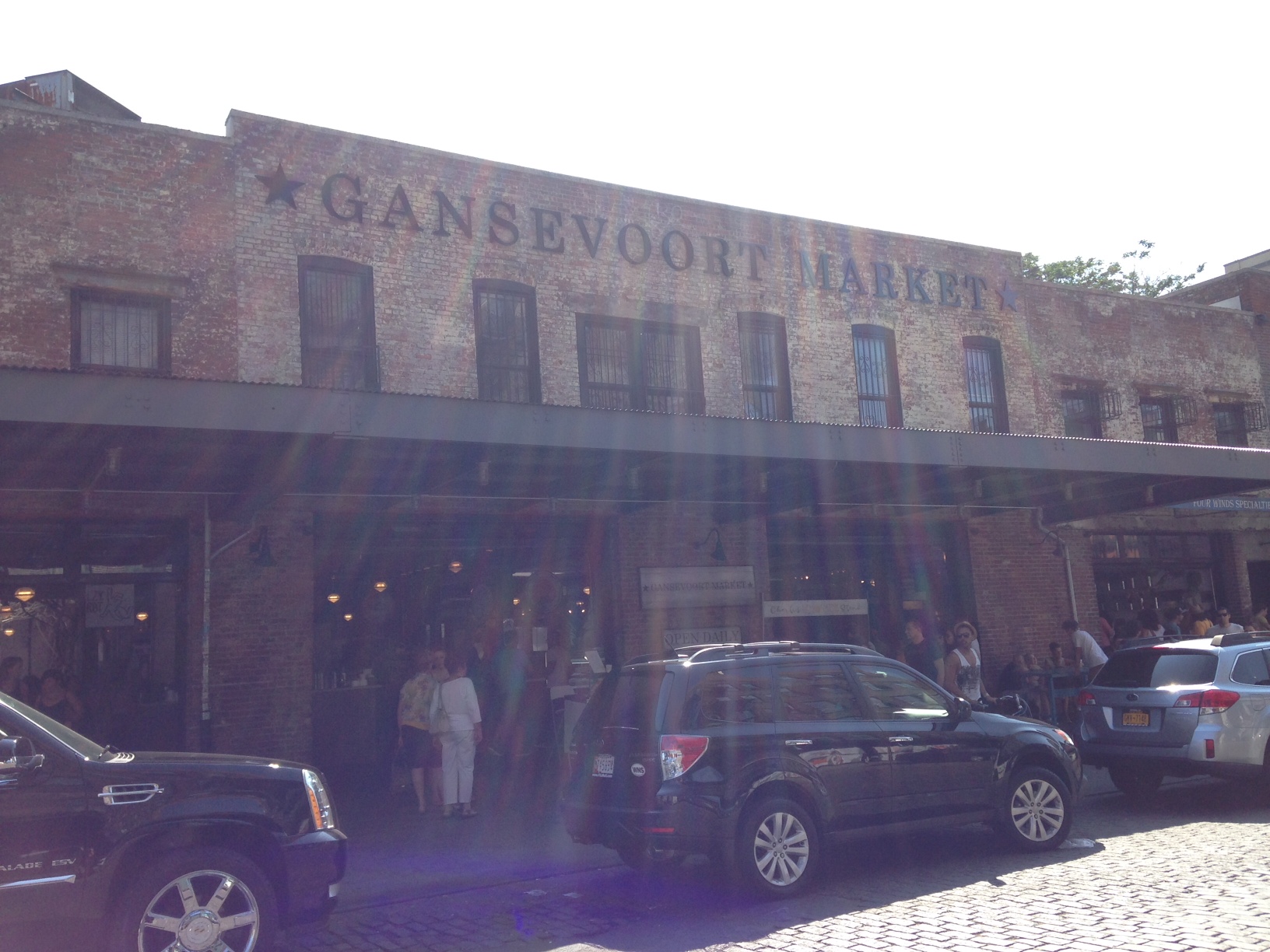
The final place to try was Gansevoort Market in the Meatpacking district and warily I made my way down there making sure that I went via the Highline and Chelsea Market just in case I was disappointed. These two places are always worth seeing in my eyes when you are in NYC and whilst they were crazy busy they still retained many of the aspects that I enjoy. And so to my final market foray.

photo 3-47

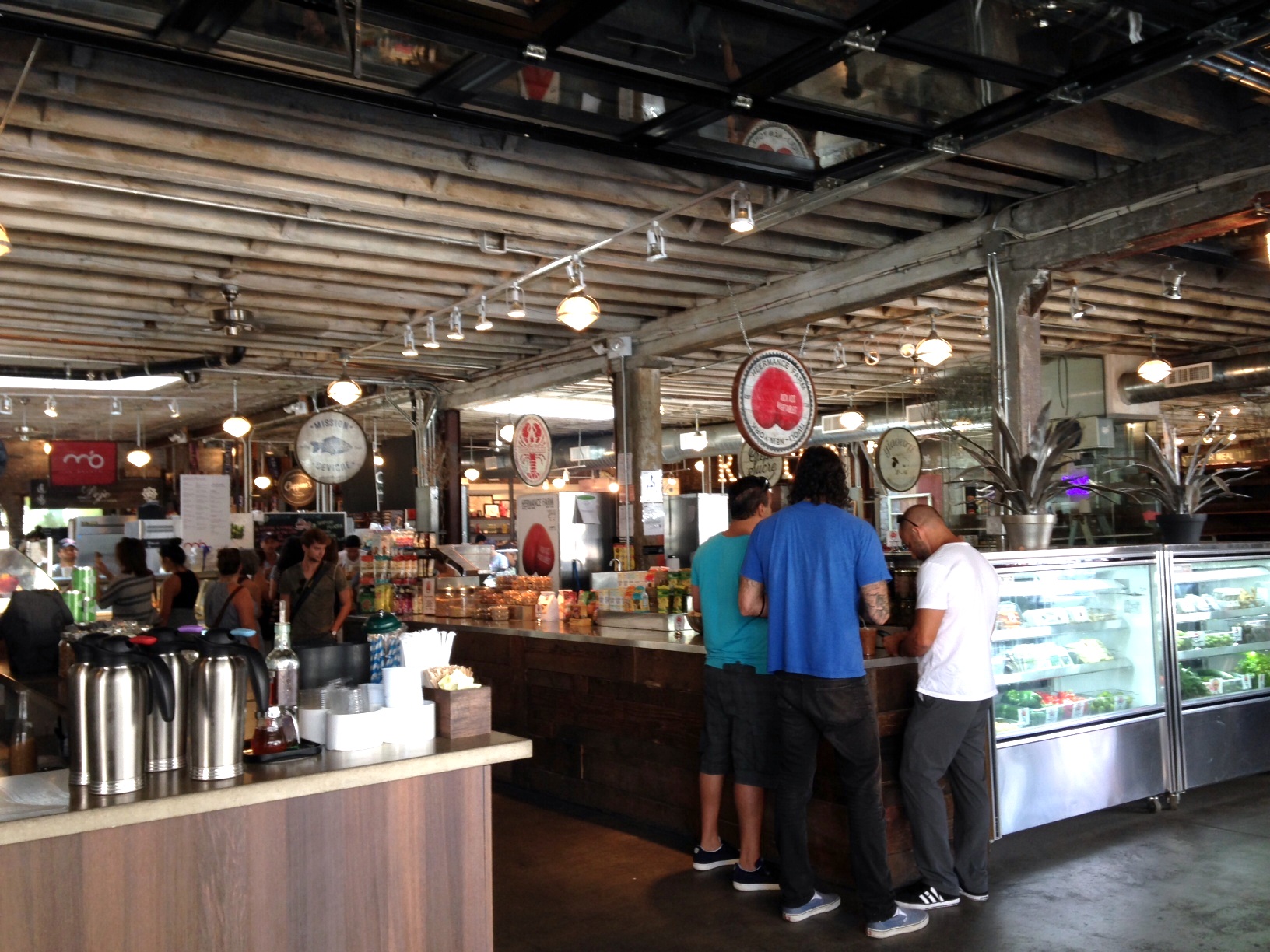
Ganservoort was my favourite of them all. It simply had more atmosphere and a more foodie slant, relating back to the history of the market back in the 1880’s. It reminded me of the Saturday Biscuit Mill market in Cape Town.

photo 1

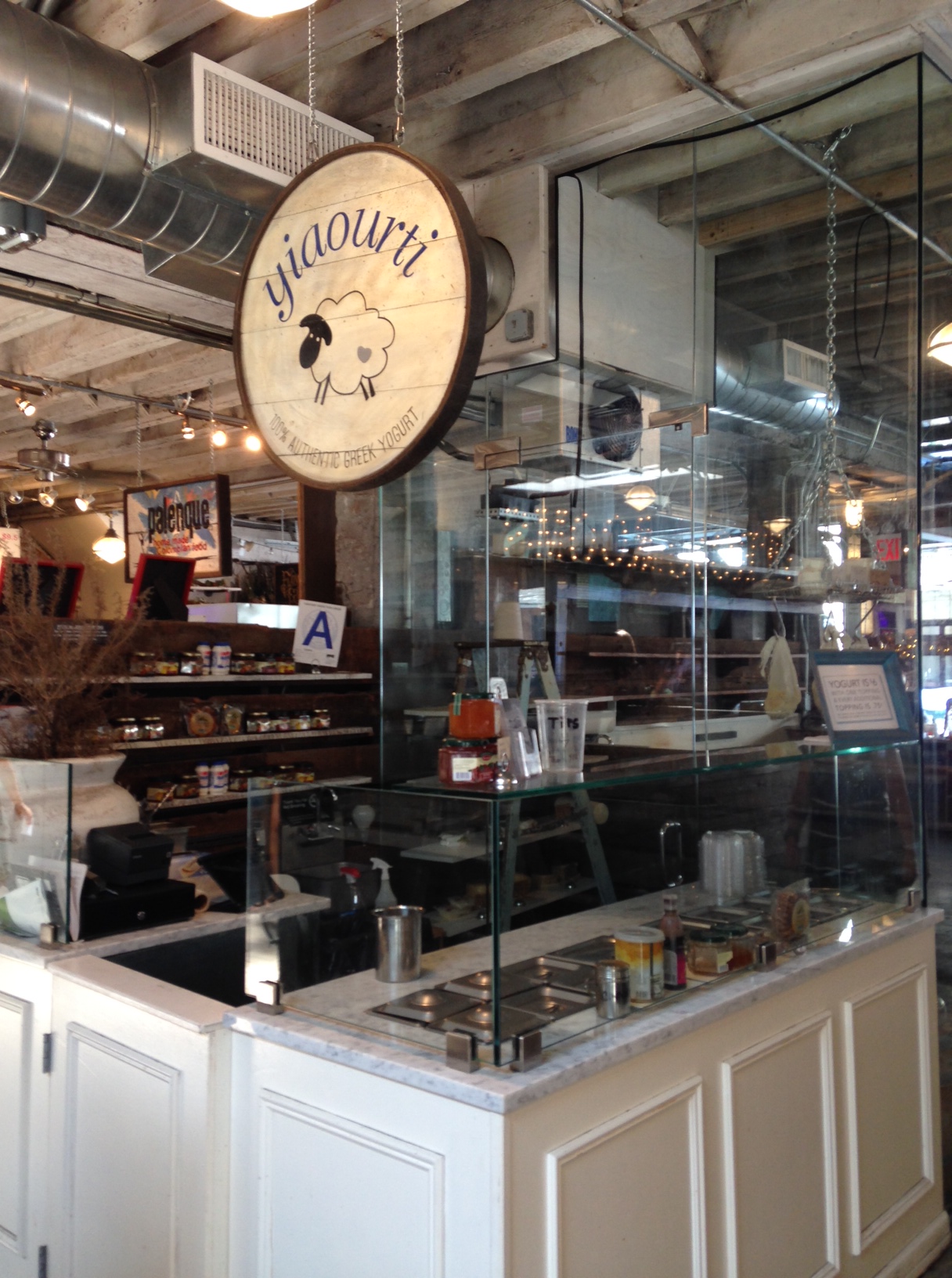
The products were well prepared, the authenticity was more easily communicated within each stand and the seating was more familiar with clusters sitting throughout the area rather than one big central communal melamine topped section. It also falls out onto the Meatpacking district with outdoor seating and more going on which gives a vibrancy that the other shopping centre floors lack.

All in all I have to conclude that the food markets or food halls or whatever the latest marketing says are merely more like the original shopping mall eateries and if you want to create a new community of young vibrant food brands you have to do a bit more than put them in a giant circle around a central seating area. What Eataly has is a connection to how the food is made, the ingredients it comes from and the vibrancy that sitting together and sharing a meal can deliver. As a food hall it allows you to eat in and take home, it gives you more choice and a wide range of all things relating to Italian food. It gives you a story with a message that allows you to connect and therefore feel grounded in its wake.

Nothing new that has cropped up since I first saw Eataly in NYC has come near to matching what it offers. I await with bated breath to see what Antony Bourdain does with his new concept because I know he understands the levers that make great food experiences and combining that with his passion for street food will undoubtedly add up to something more real and tasty than any of these new breeds. I look forward to that.

Design a site like this with WordPress.com
Get started